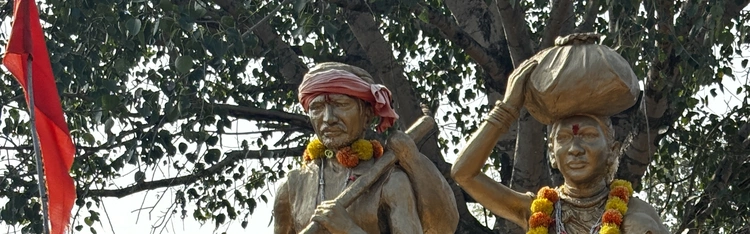
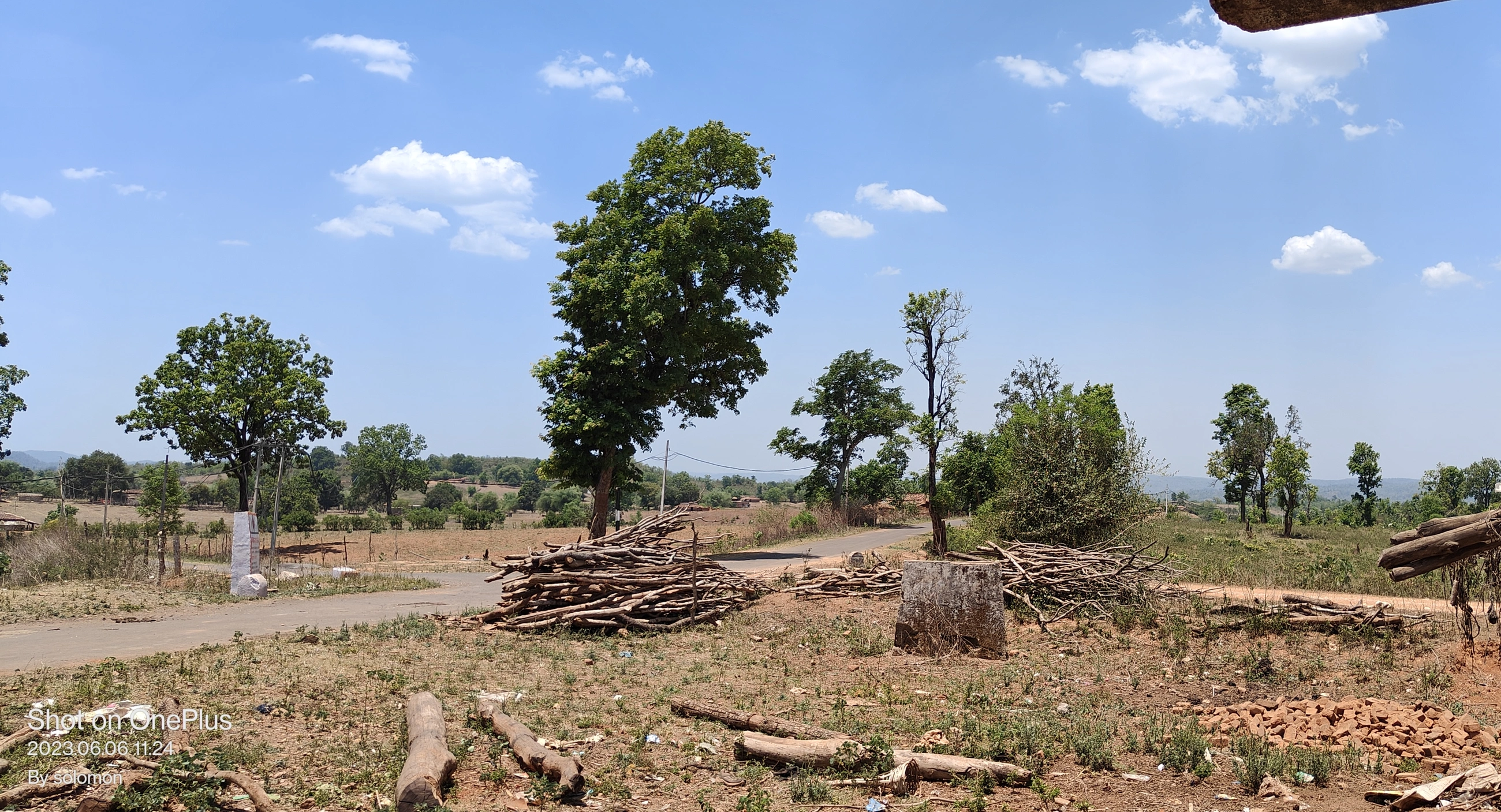
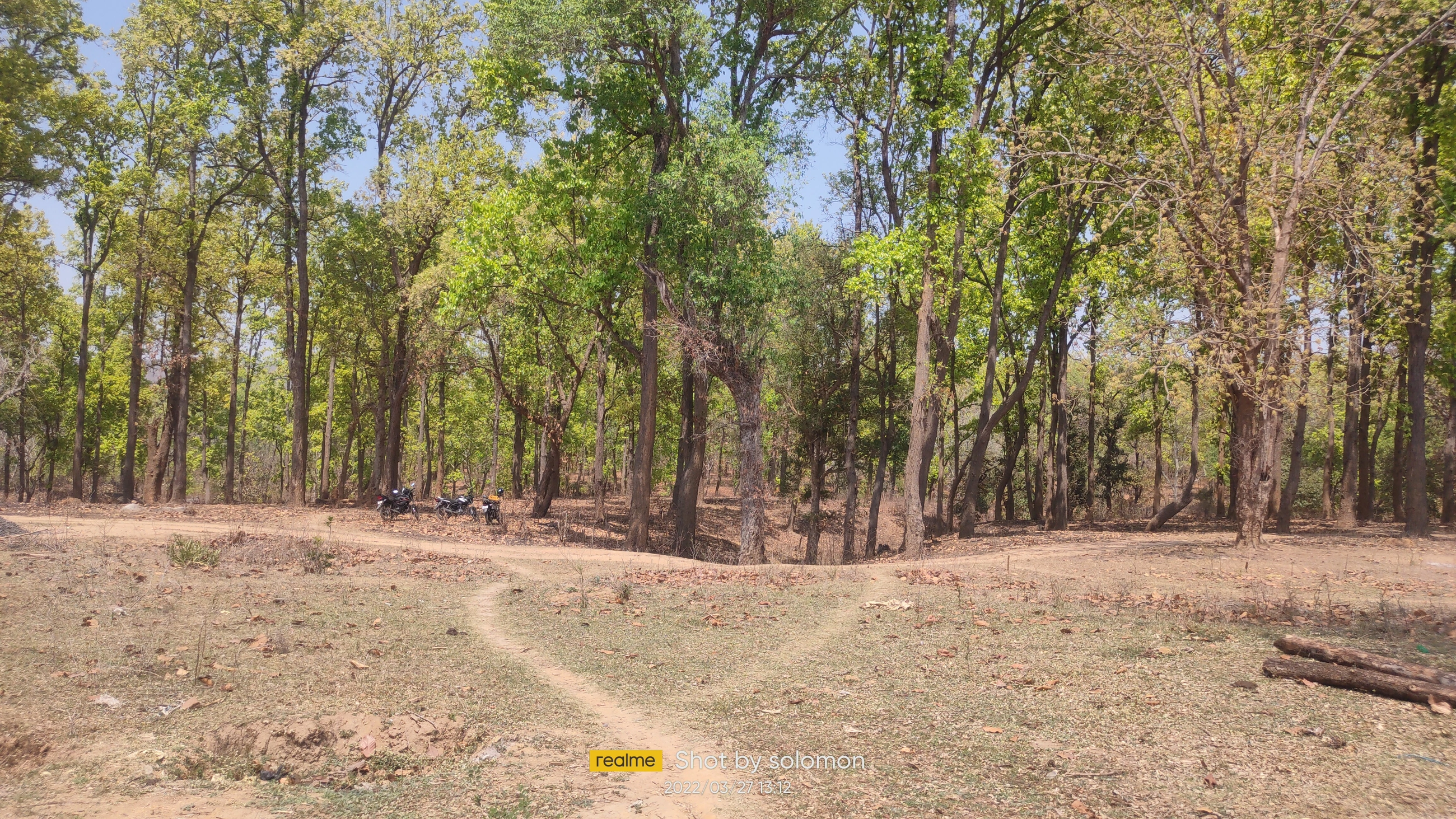
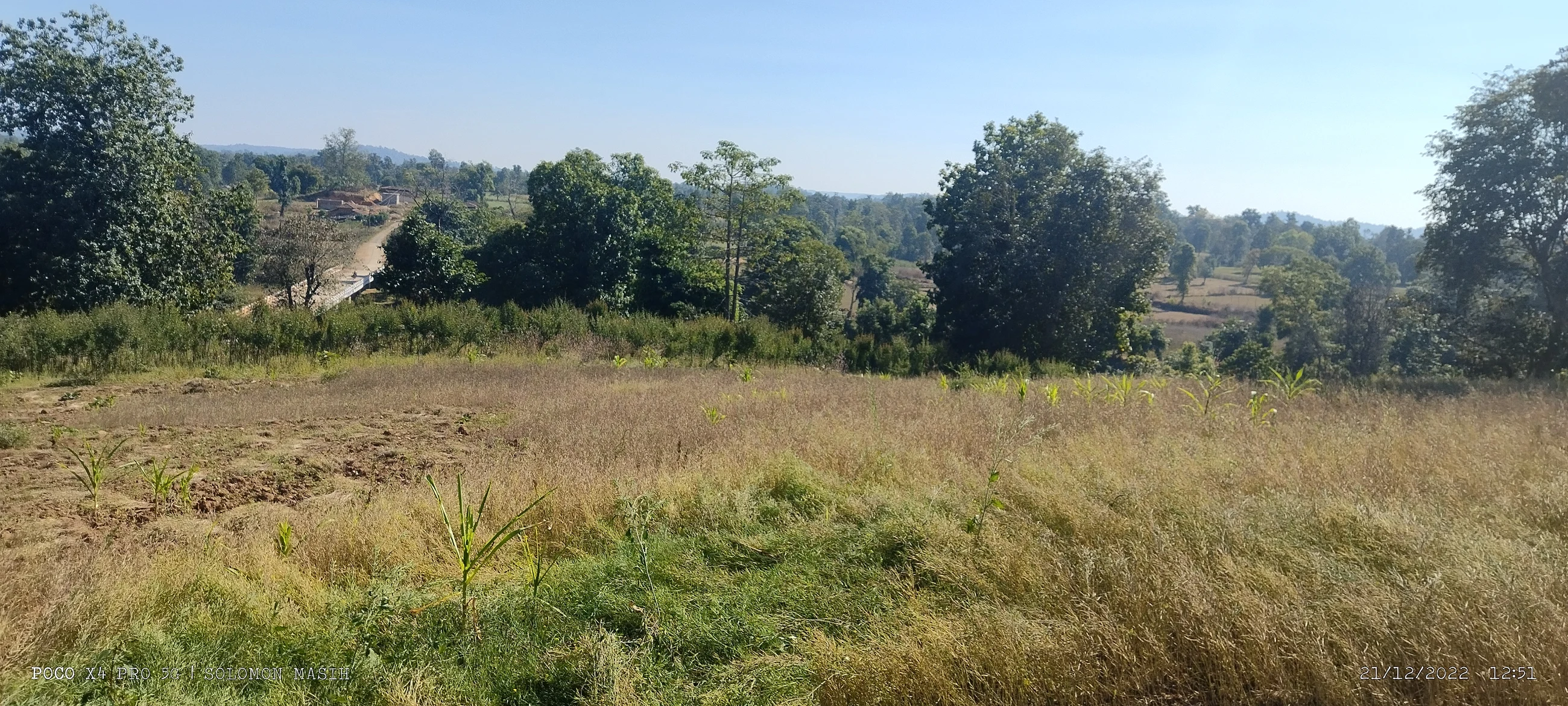
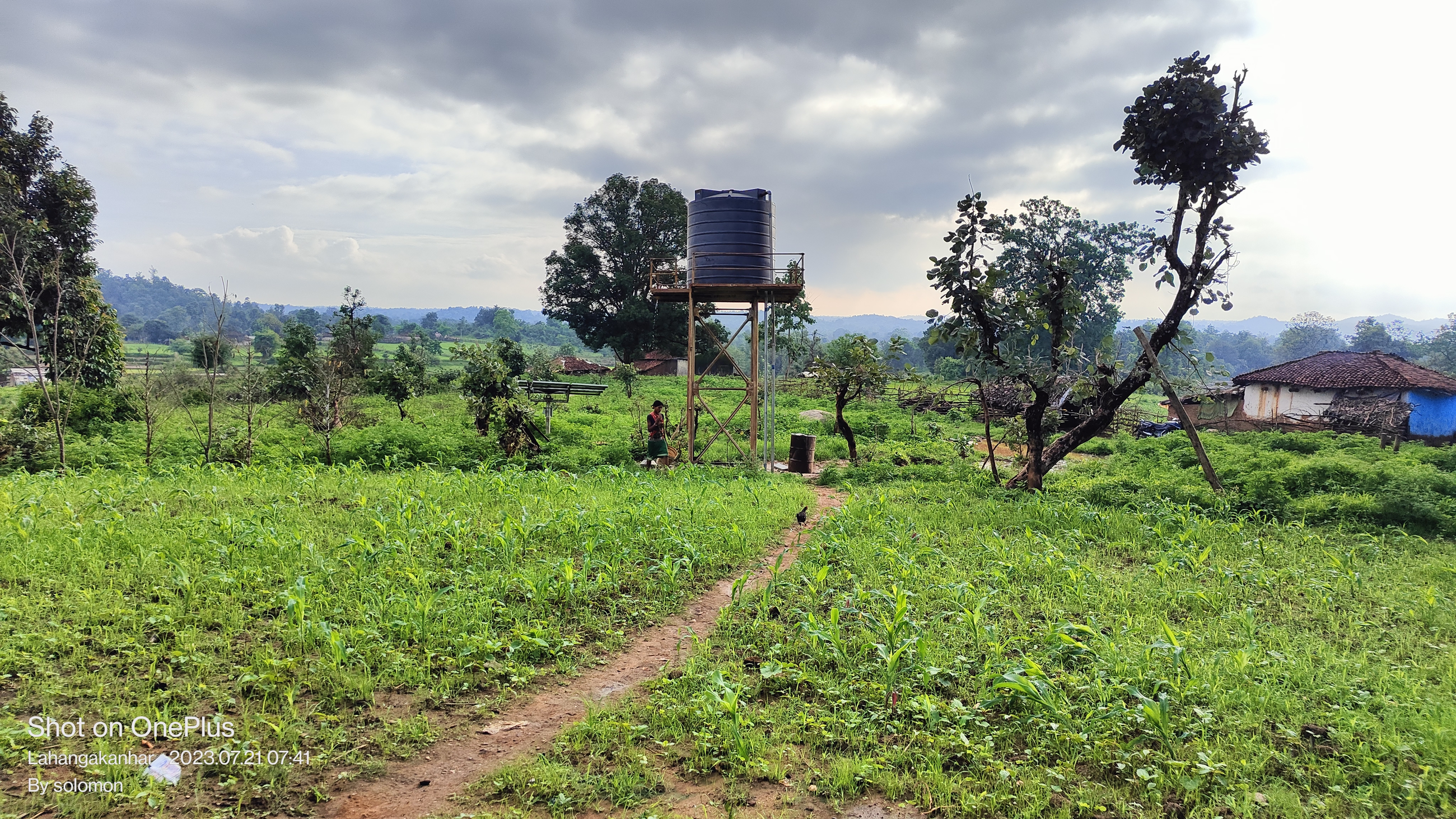
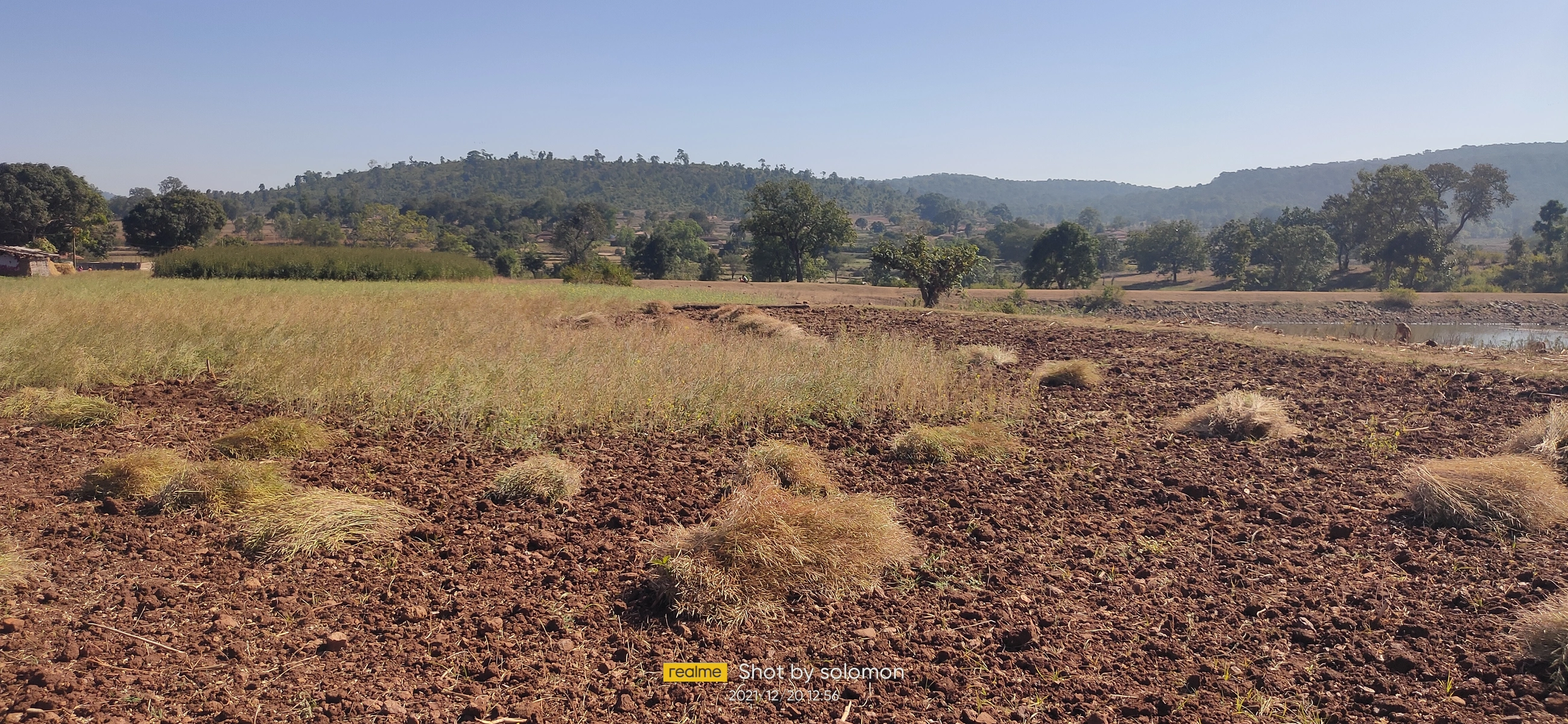
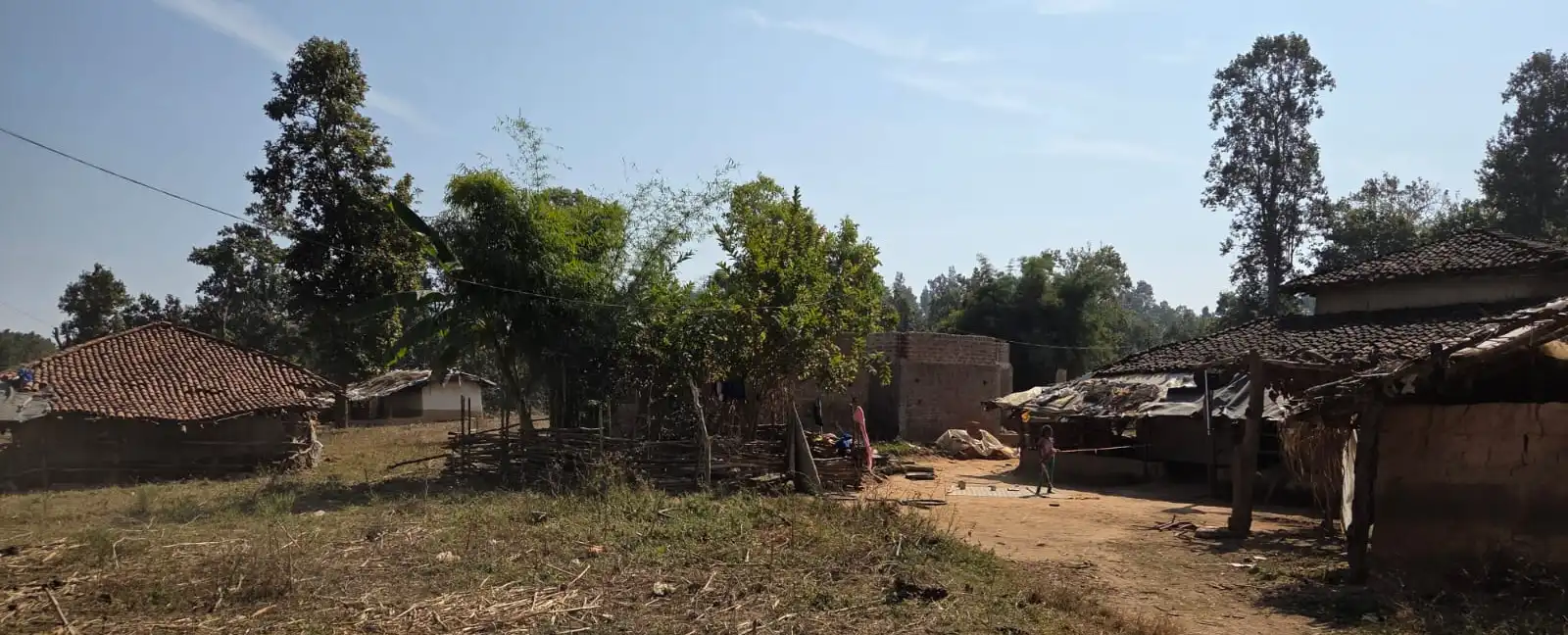
Area: Most people of the Baiga community live around hills and forests. The Baiga community usually lives separately from the Gond community, in different hamlets.
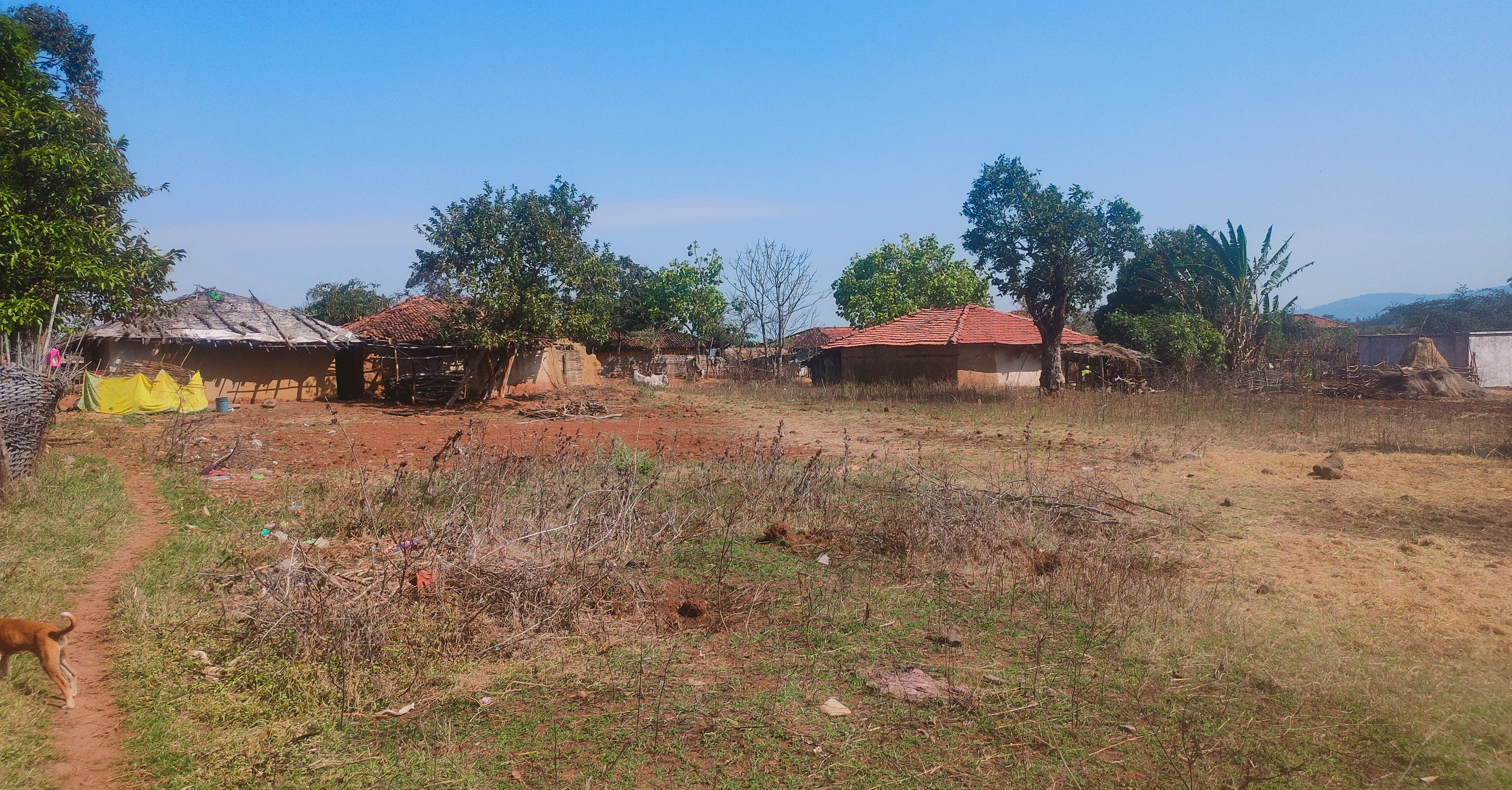
Home:
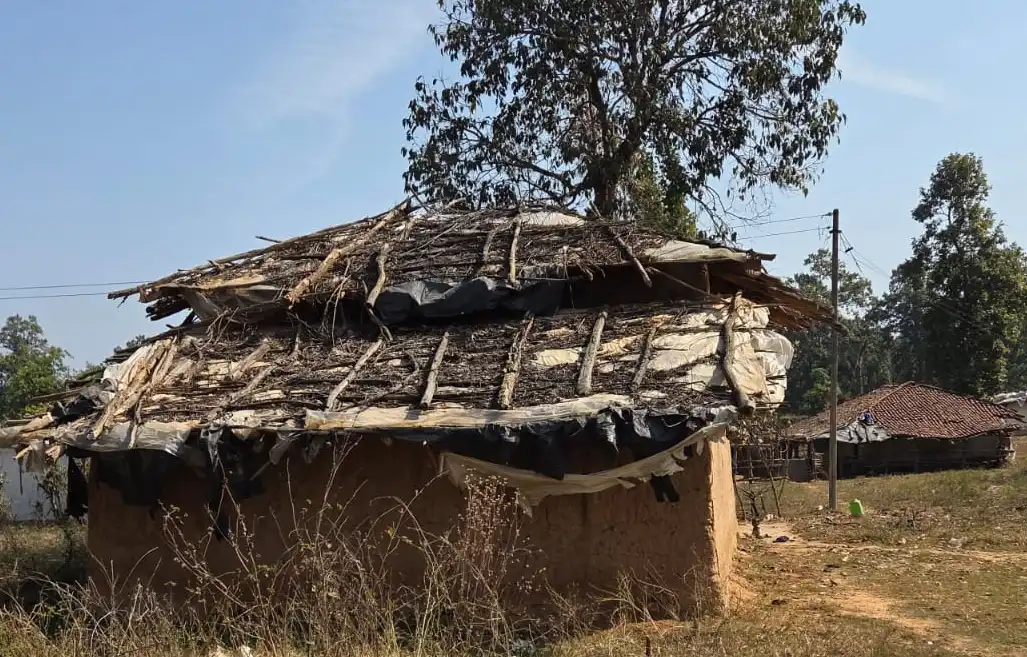
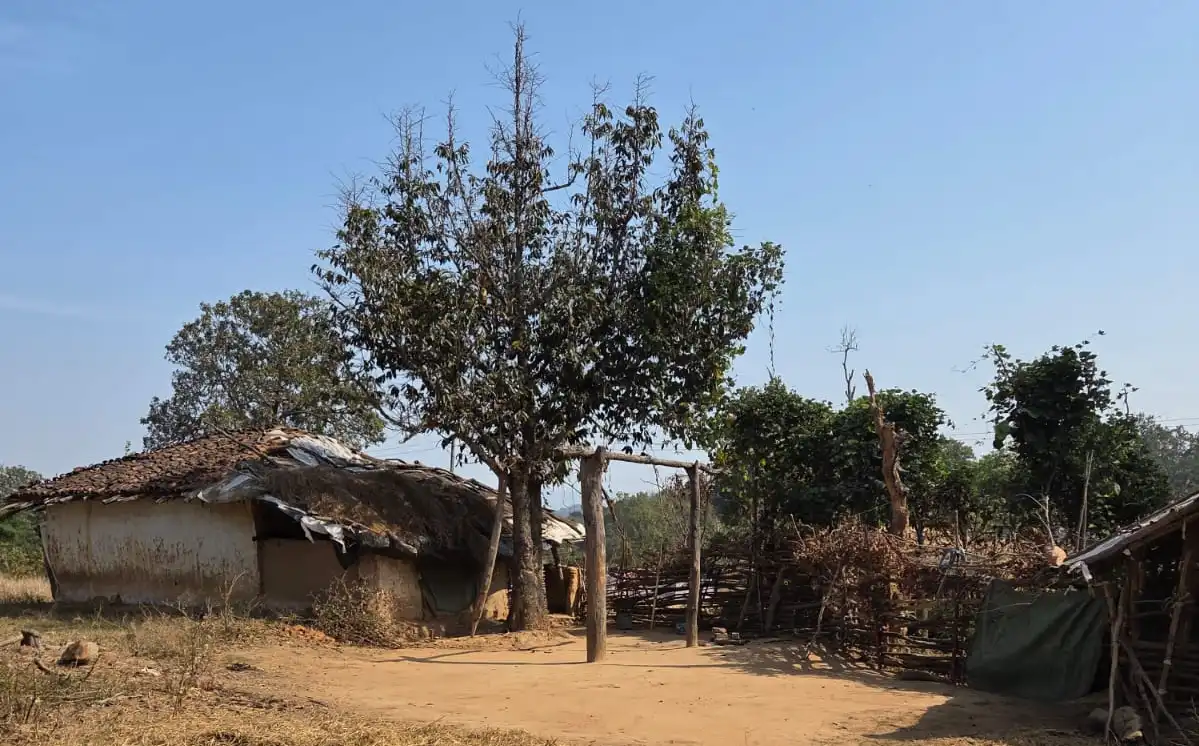
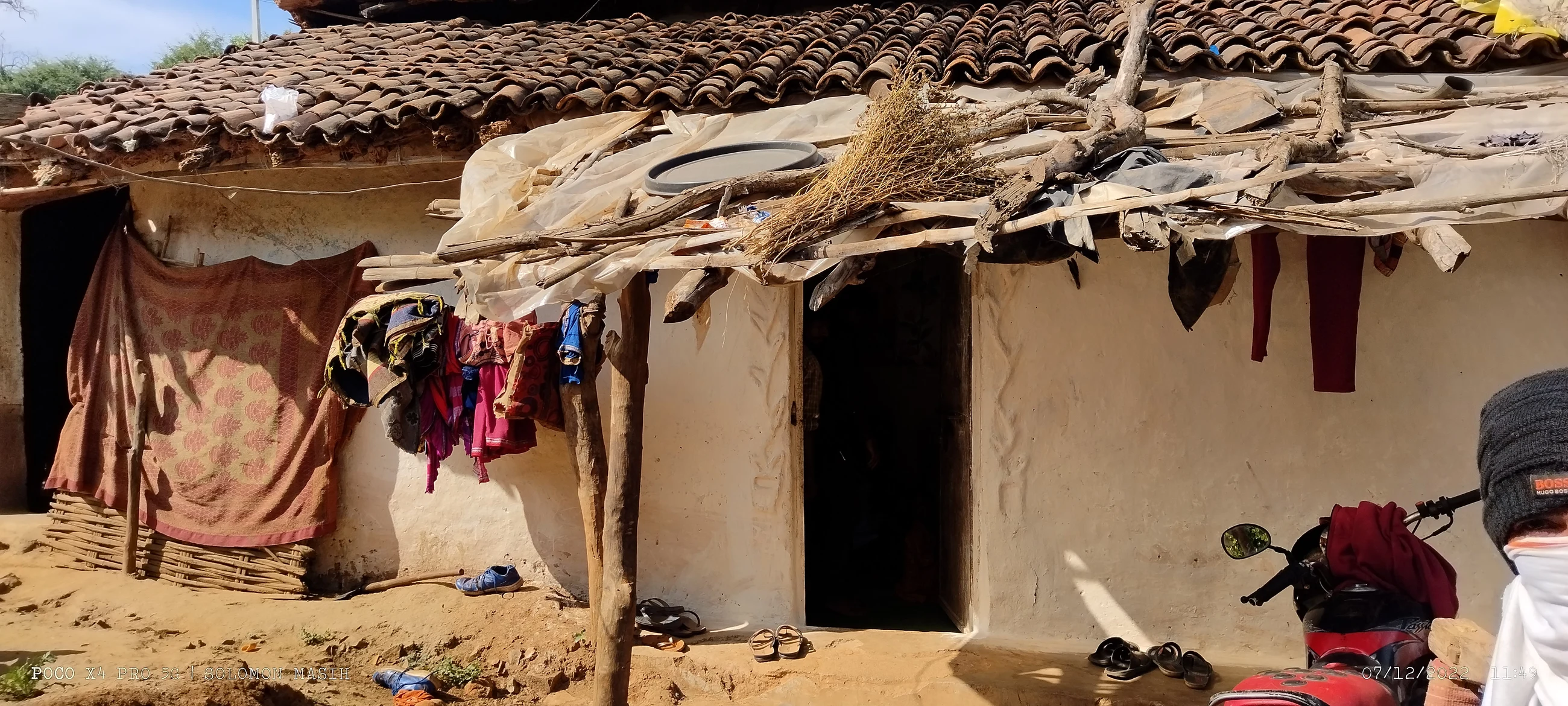
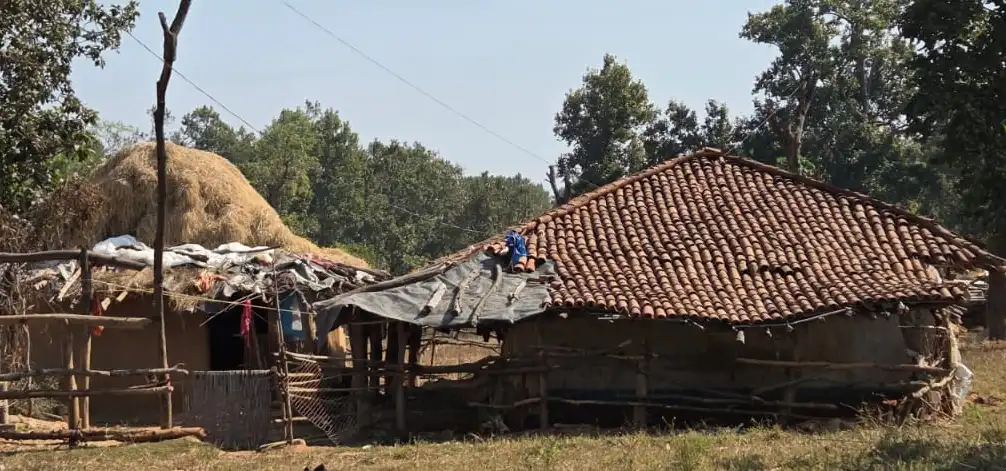
Baiga people live in mud houses, and they build their homes themselves. First, they raise the walls with mud and apply a mud plaster. Then they fix wooden supports and strengthen the walls. After that, they put up the roof frame, cover it with tiles, and complete the roofing of the house. The houses are enclosed with a courtyard. Most houses have two or three rooms, though some families also build single-room houses.
Clothing:
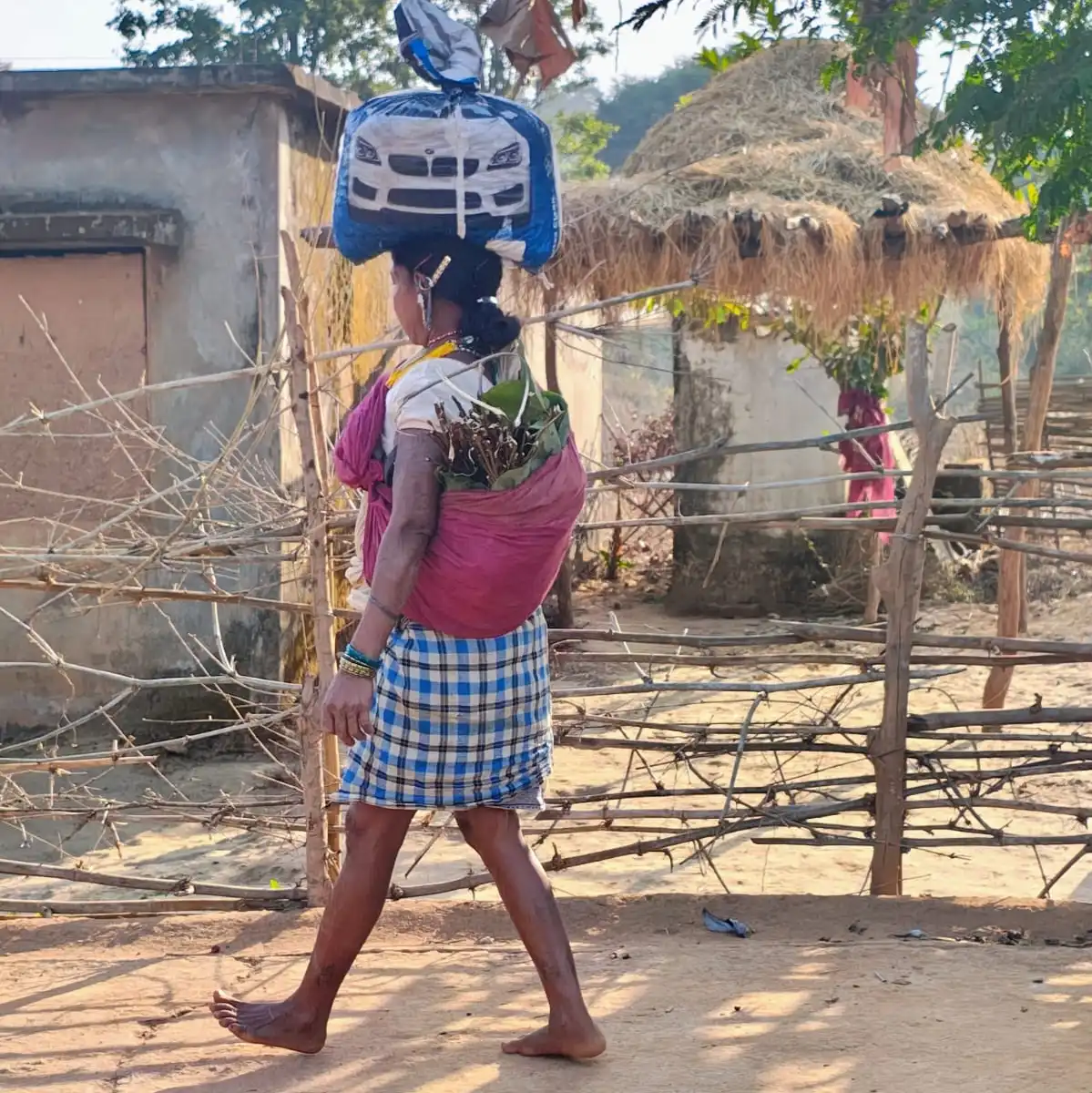
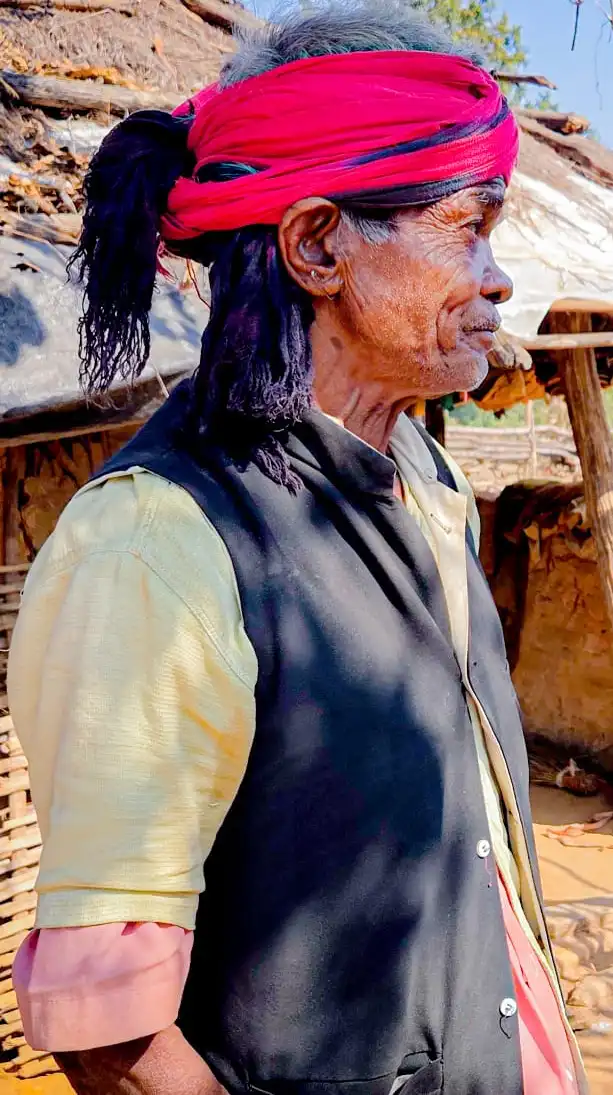
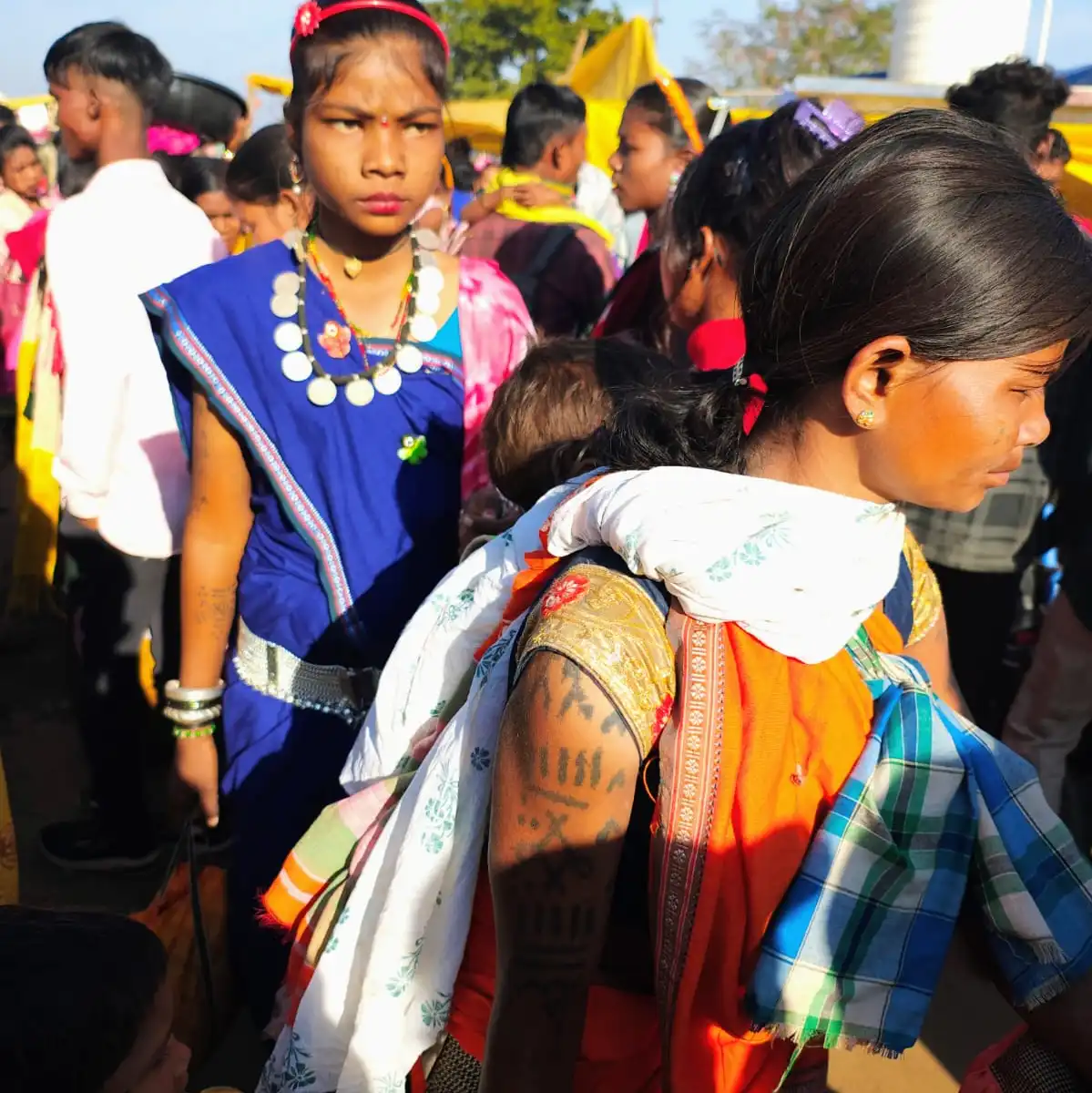
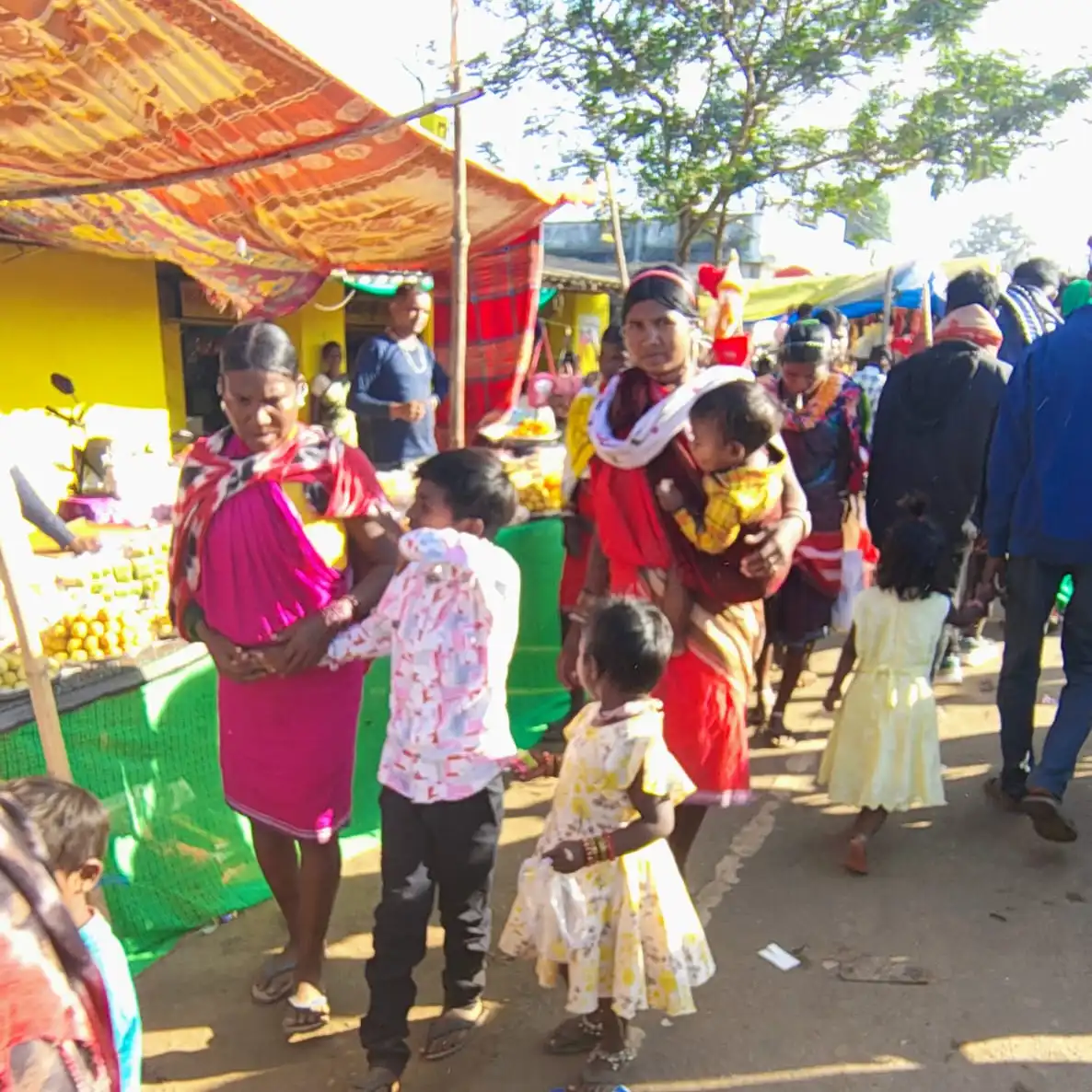
Baiga men wear a vest, dhoti, turban, and jacket. Baiga women wear fariya, polka, and similar garments. Most Baiga women have traditional tattoos (godna). Children wear shorts and vests.
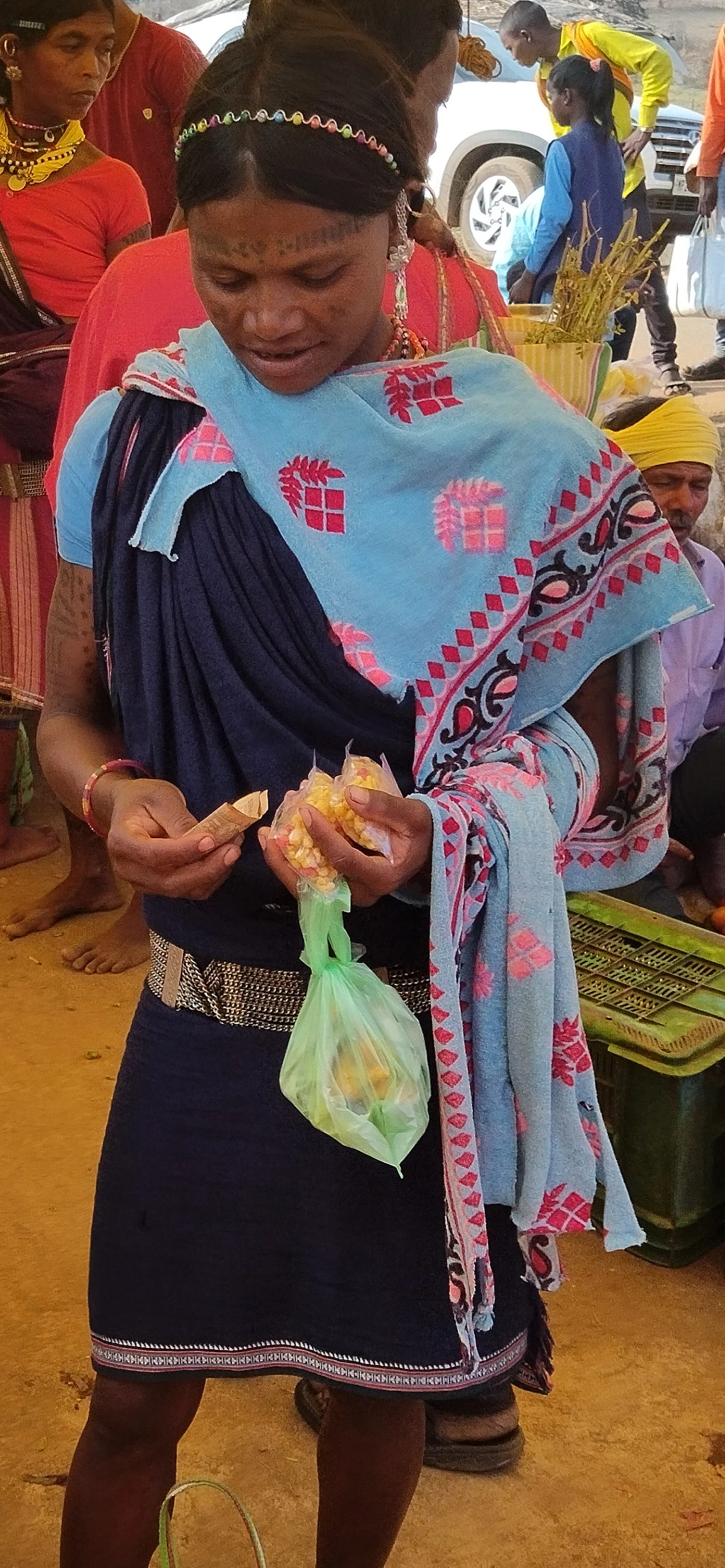

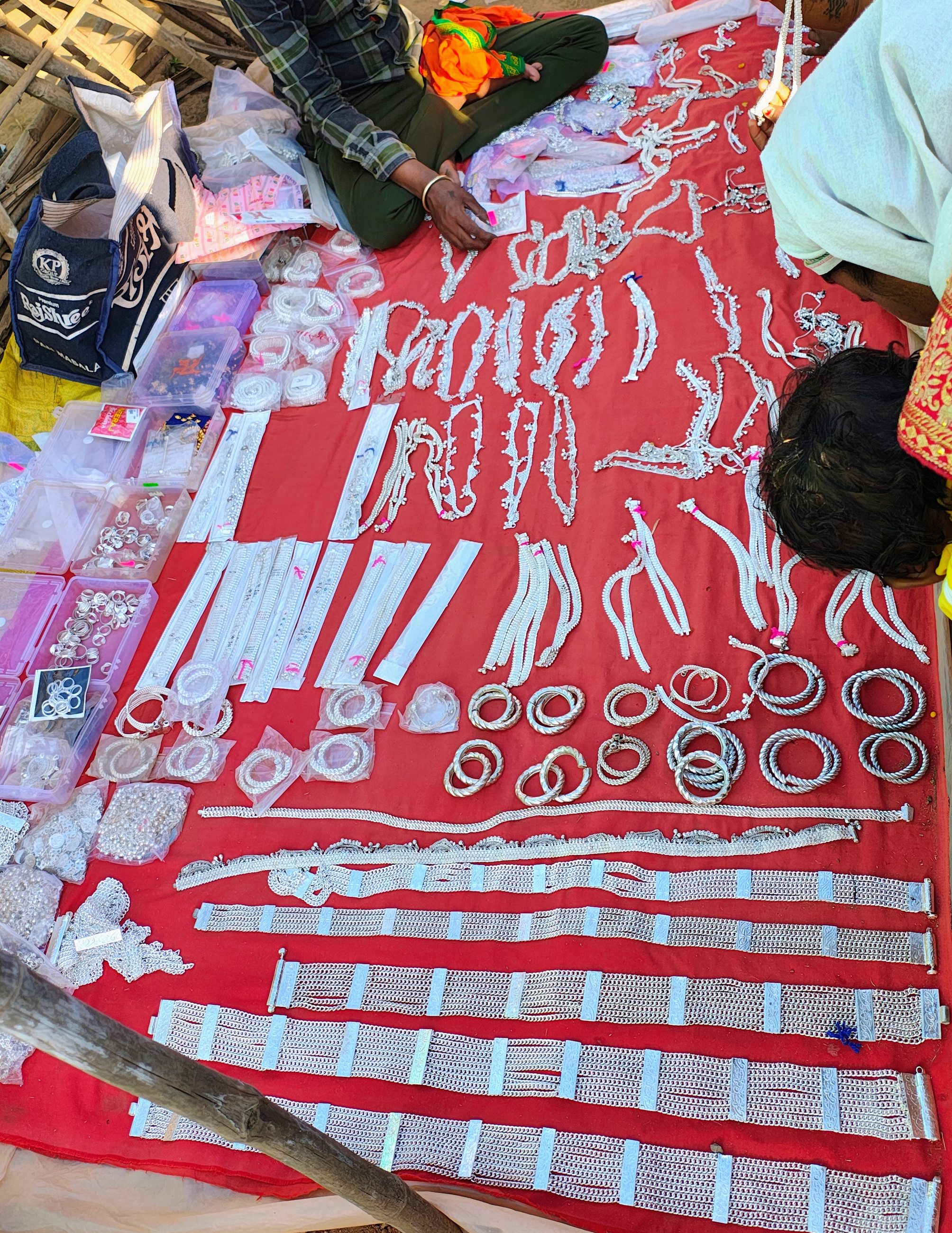
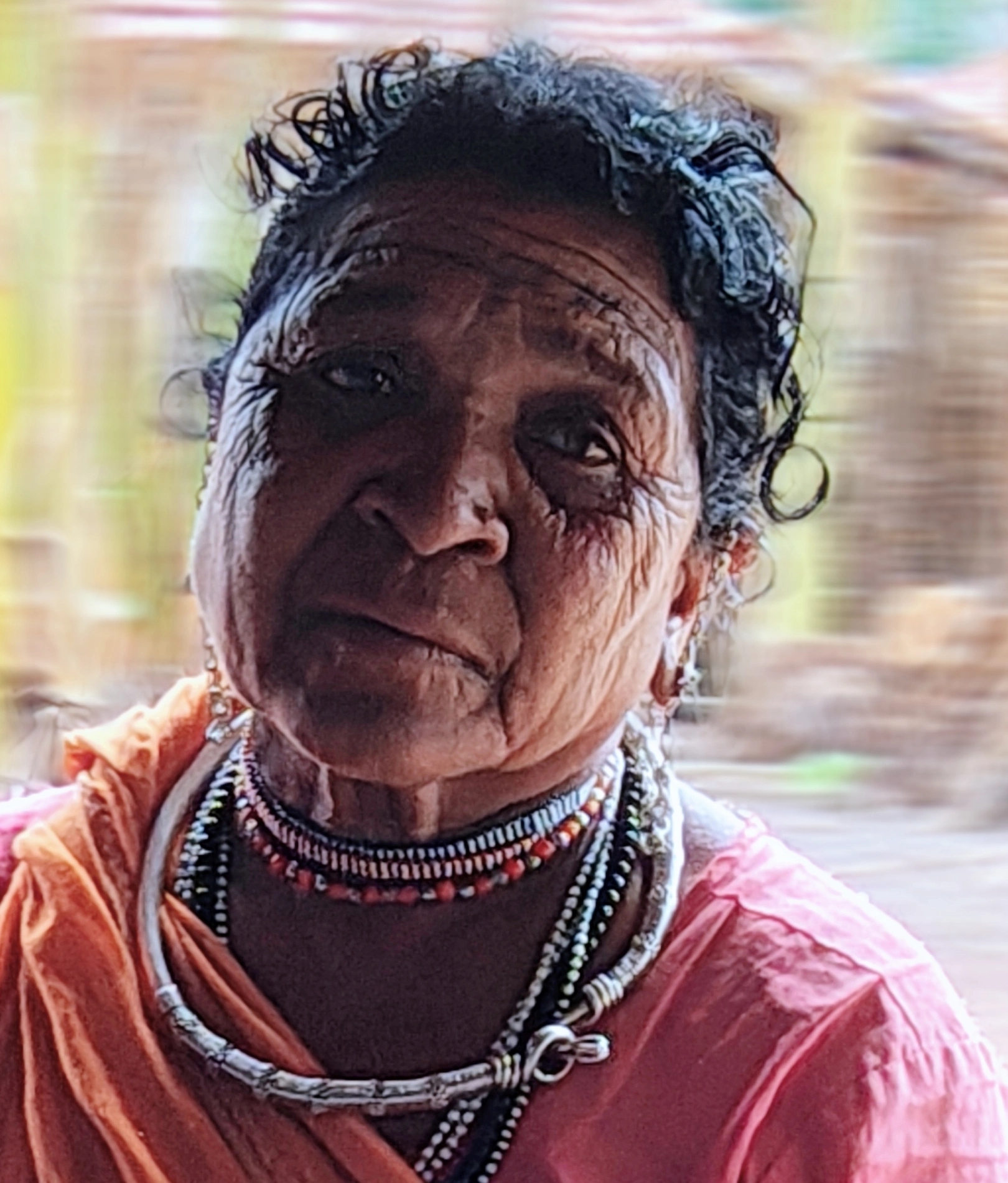
Jewellery: Baiga girls wear ornaments such as anklets, waistbands, bangles, armlets, sutiya, chhuta, khinwa, kilip, ghurghuli, etc., and they make these themselves.


Economy:
The Baiga community is made up of hardworking people. Most of them live in hilly and forested areas, so their livelihood mainly depends on the forests. Earlier, Baiga people practiced shifting cultivation and grew crops like kodo and kutki. Wealthier families cultivated more, while poorer people depended largely on forest greens for food.
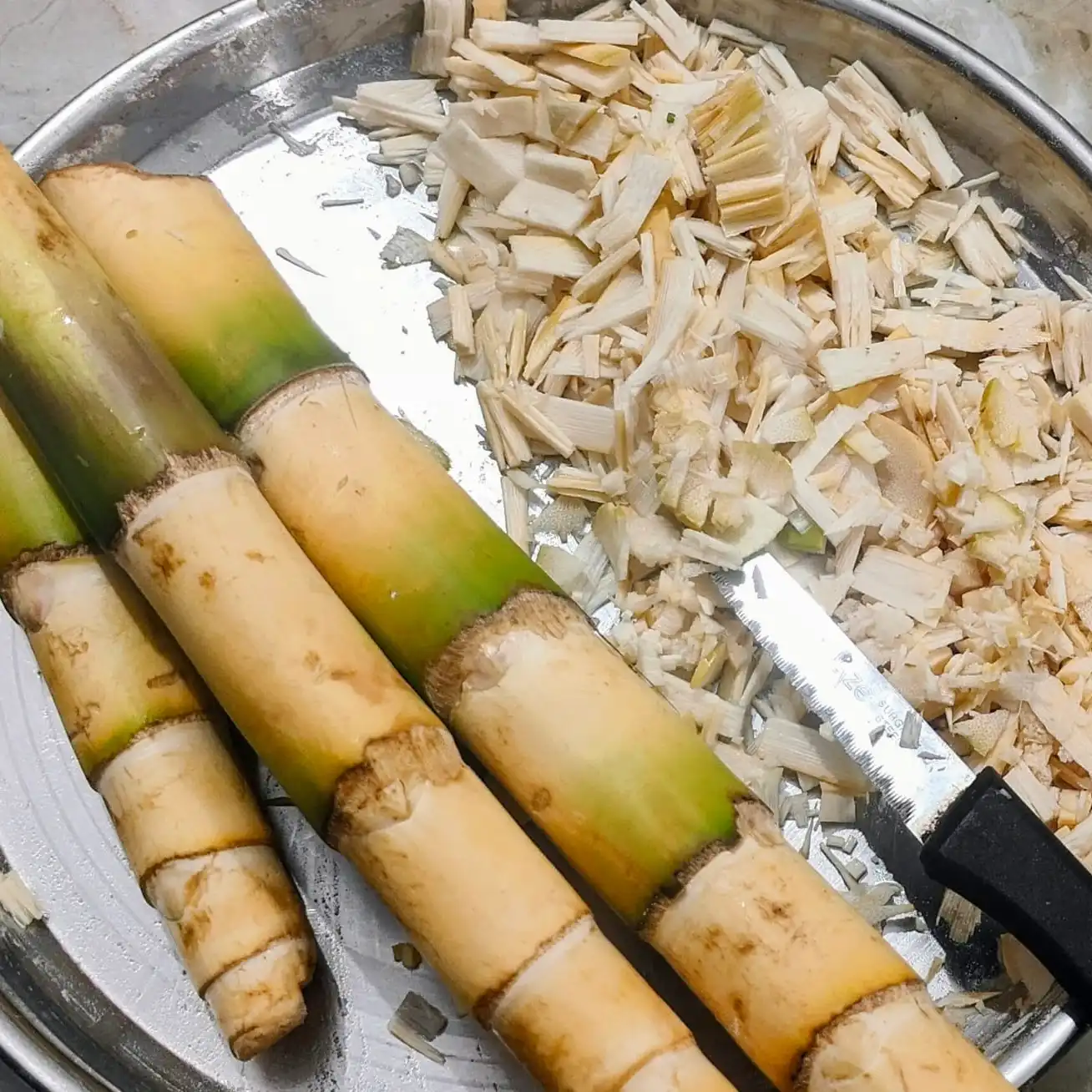
Nowadays, Baiga people also cultivate paddy (rice). Even today, the Baiga community mostly consumes forest greens and earns money by selling forest products such as:
- Pihri
- Karil
- Putpura
- Bamboo
- Wood
- Char
- Lac
- Kosum Goti etc.
This forest-based livelihood continues to be an important part of the Baiga economy.



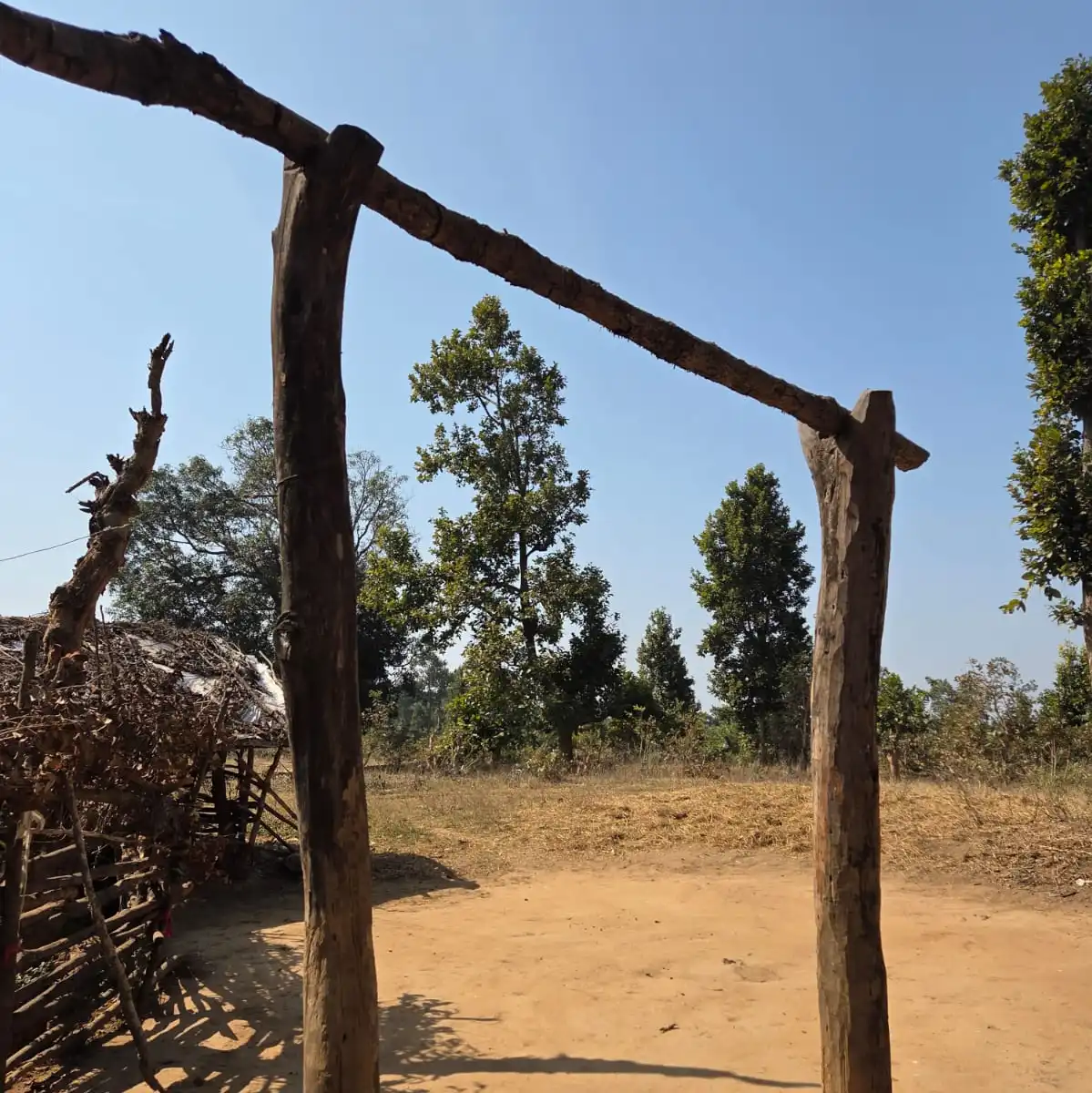
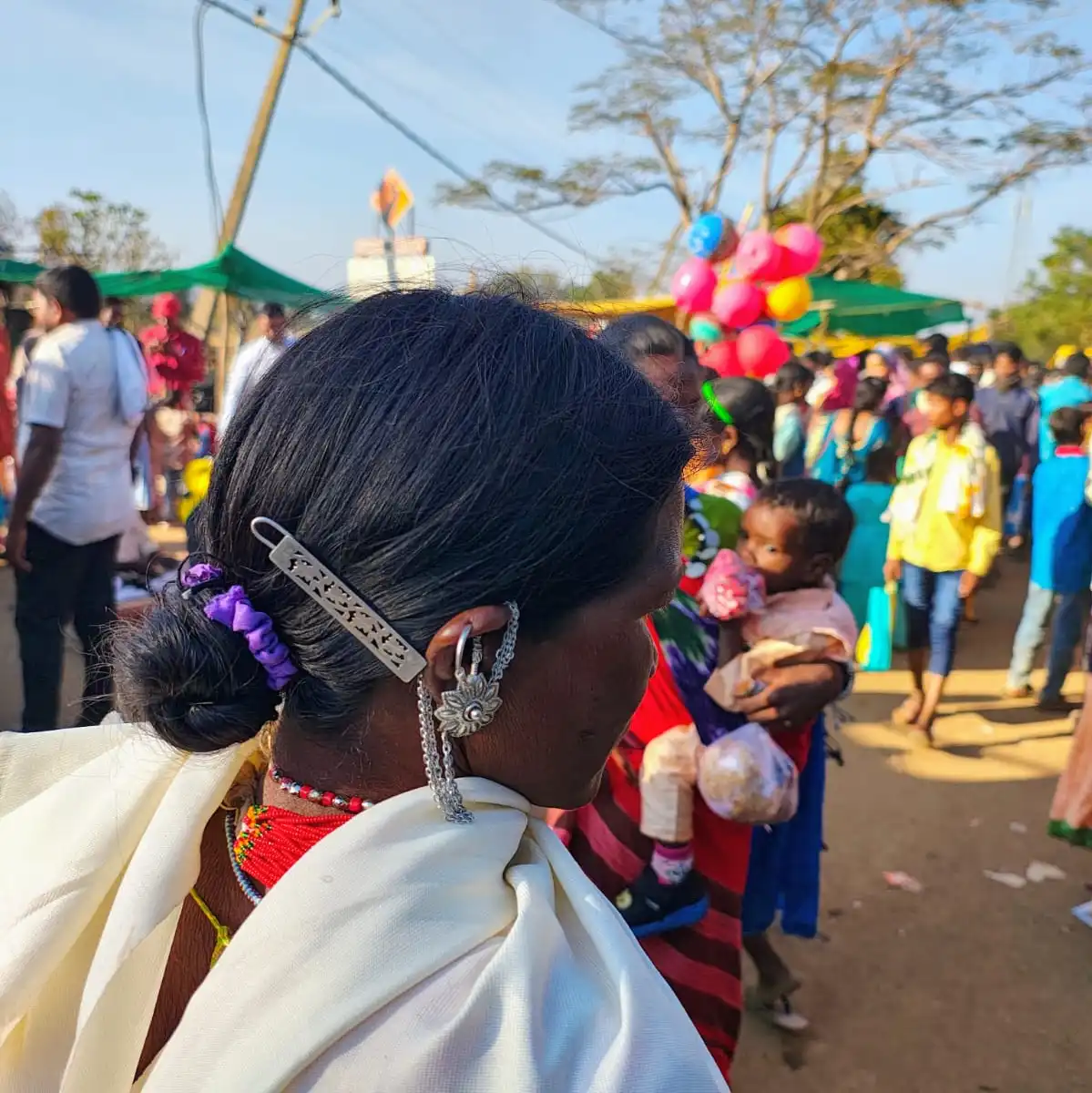
Mandai: Mandai is a festival of the Baiga community, similar to other traditional festivals. On the day of Mandai, every household celebrates with great joy and happiness. Mandai begins in the month of Kartik and continues for three months. In Baiga society, on the day of the Diwali festival, a dang (sacred pole/structure) is tied, and during Mandai, people dance around this dang. This dance is performed only once a year.


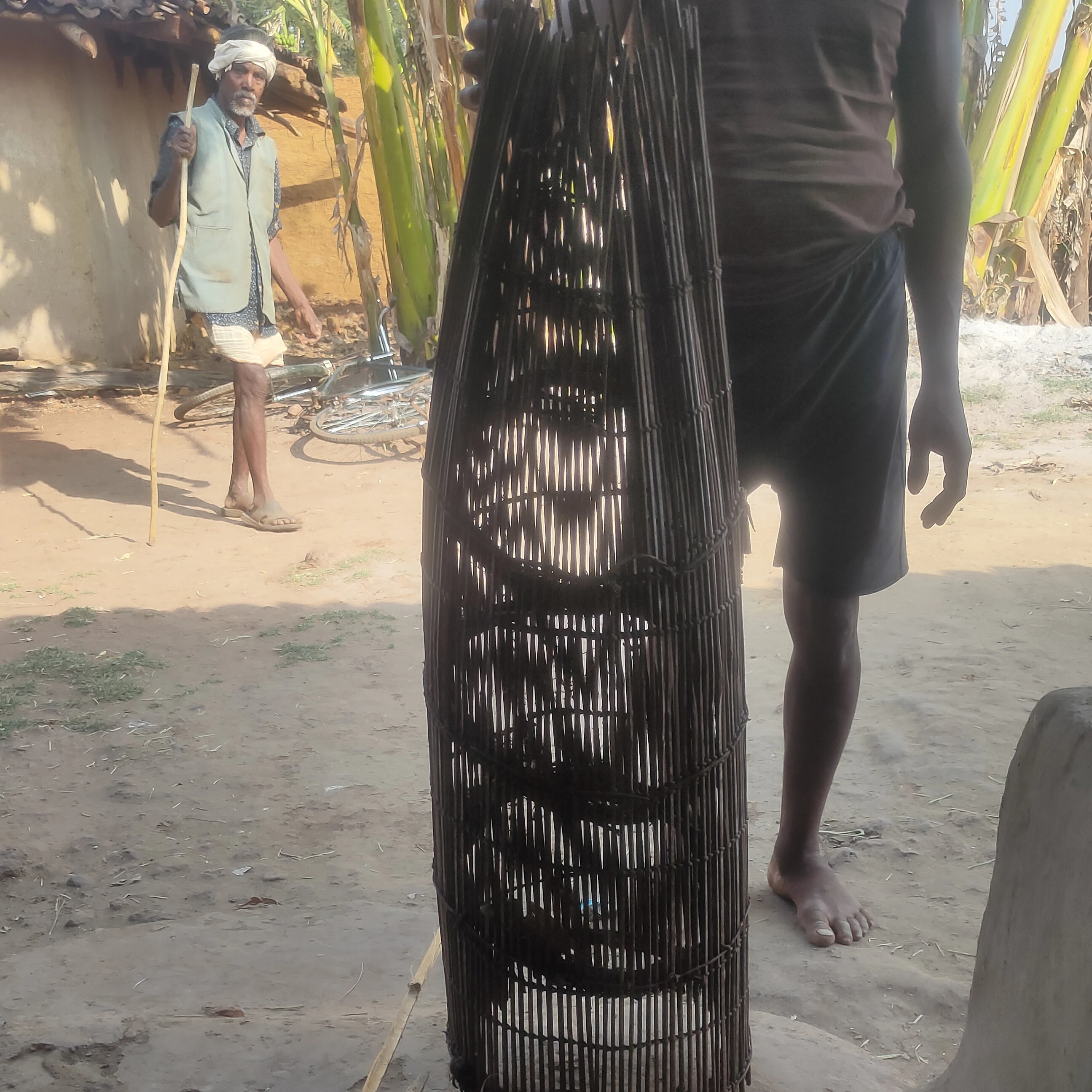
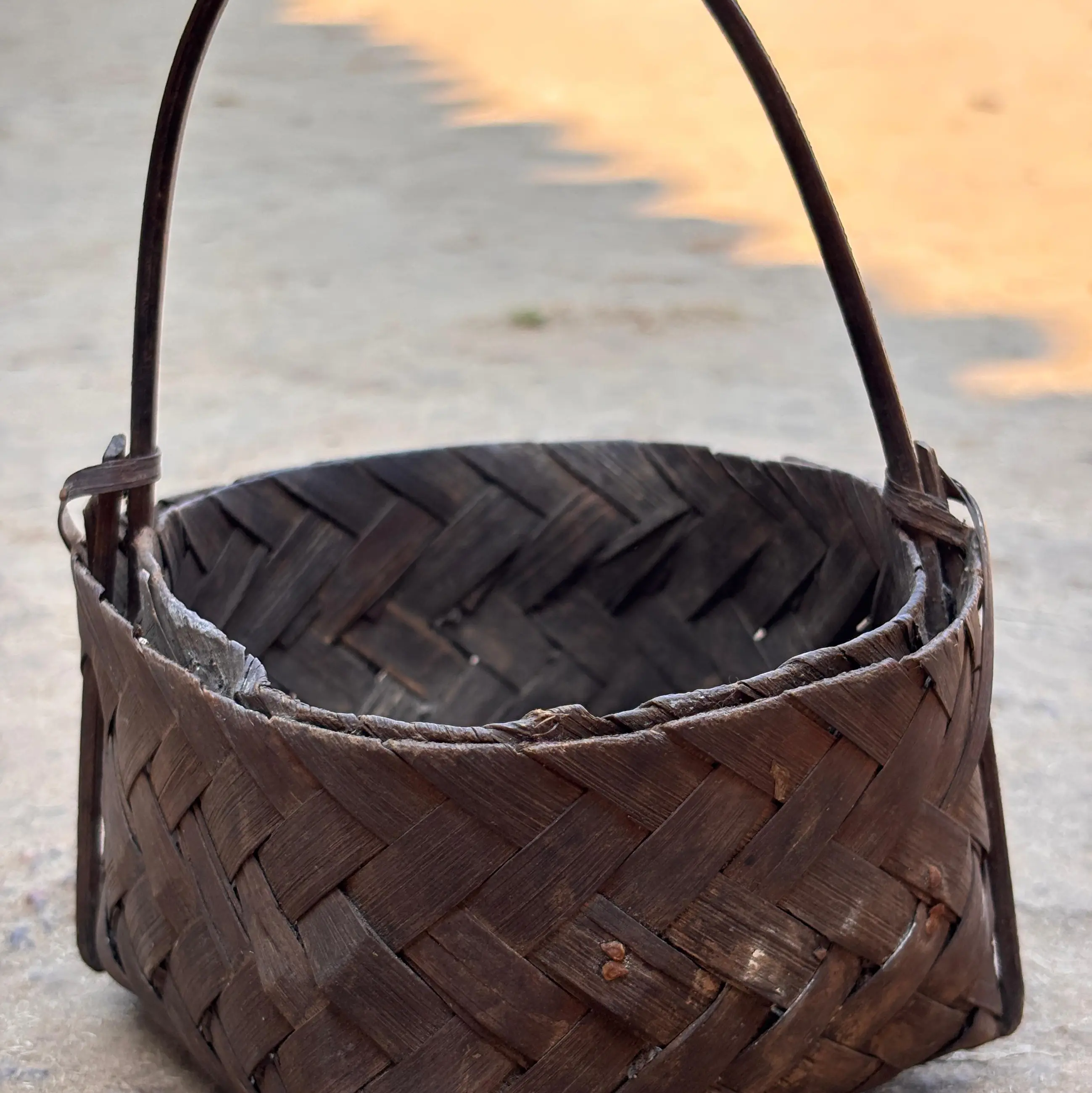
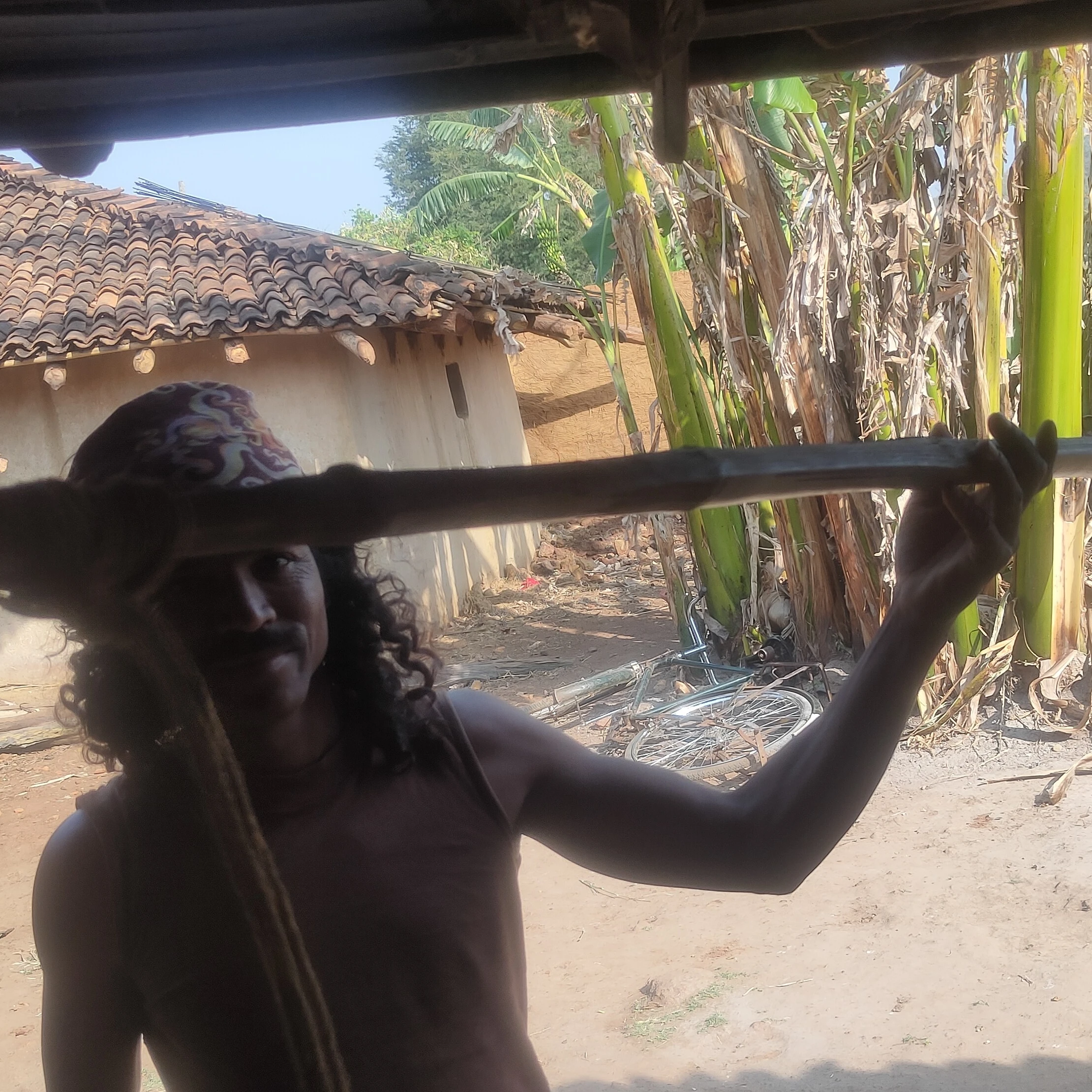
Materials: The Baiga community uses many locally made items for their daily work. These items are part of the traditional heritage of the Baiga society, but nowadays they are rarely seen in use. Some of these items are:
- Kumni: used for catching fish
- Kanwar: used for carrying water
- Cholgi: used for collecting mahua
- Mandha: used for carrying straw
- Musad: used for pounding rice