History
In India, there are 74 tribes that are classified as Primitive Tribal Groups (PTG). In Madhya Pradesh, there are a total of 43 tribes, and among these, 3 tribes have been identified as Particularly Vulnerable Tribal Groups (PVTG). These three tribes are the Baiga, Bharia, and Saharia.
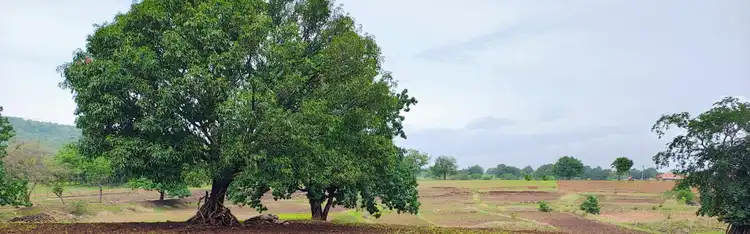
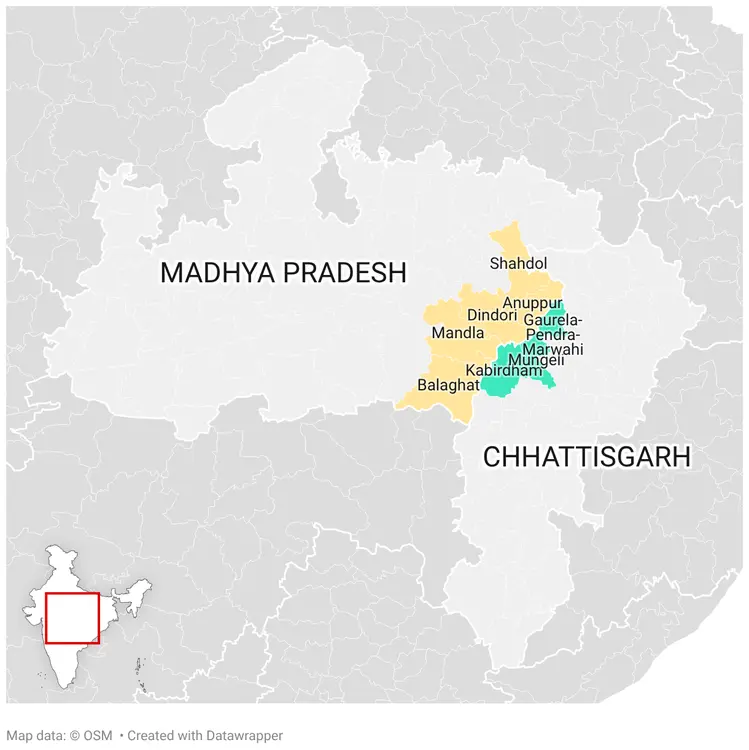
The Baiga tribe mainly lives in forested and hilly areas and lives their life in harmony with nature. However, over time, due to deforestation and development activities, many people from the Baiga community have been forced to move towards towns and cities. The Baiga tribe is mostly found in the Balaghat, Mandla, Dindori, Shahdol, and Anuppur districts of Madhya Pradesh, and in the Kabirdham, Pendra, and Mungeli districts of Chhattisgarh. Their population is approximately 2.5 lakh (250,000).

Social Life
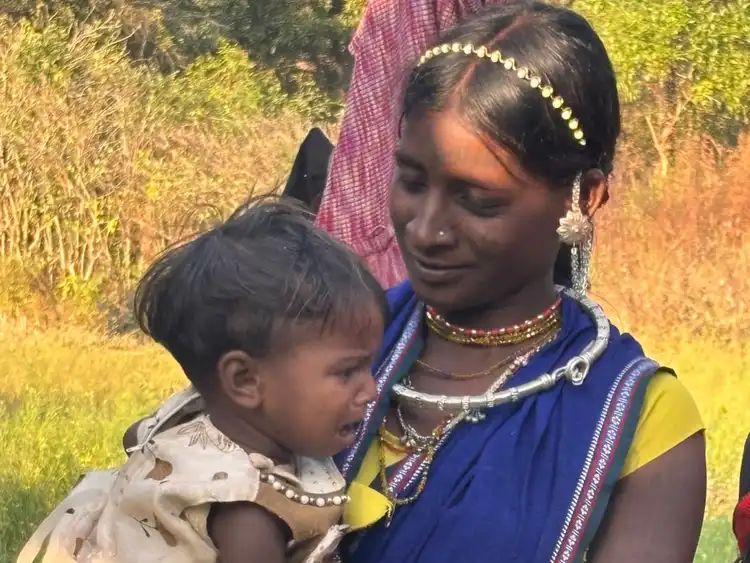
The traditional identity of our community is so distinct that it appears different from other tribes of India.
1. Baiga Agriculture (Bewar)
The farming method of the Baiga tribe is called Bewar. However, nowadays Bewar cultivation is no longer practiced. It was a type of shifting cultivation, mostly done on hill slopes. In Bewar farming, bushes and tree branches were cut and left to dry on the slope. After that, they were burned, turning into ash. A week or so before the arrival of the monsoon, seeds were sown in this ash-covered land. Today, Bewar farming is no longer done; instead, settled/plough-based farming is practiced.
2. Knowledge of Medicines and Herbal Remedies
Baiga people possess remarkable knowledge of medicine. They prepare various kinds of herbal remedies using different parts of trees and plants to treat many diseases.
3. Godna Tradition (Tattooing)
For Baiga women, Godna (tattooing) is an essential custom. They adorn different parts of their bodies with tattoo designs.
4. Beliefs After Death
The Baiga community believes that after death, a person is divided into three parts:
- The first part (Jeev, the soul) returns to God and resides in the eastern land of the sacred hills.
- The second part (Chhaya, the shadow) comes back to the deceased person’s home and stays behind the household hearth.
- The third part (Bhoot, the spirit) is considered the evil or negative part of the person.
5. Drinking Mahua
In Baiga society, Mahua liquor is very popular. Both men and women consume it.
Baiga Language or Baigani
According to Verrier Elwin, the Baiga community gradually forgot all the clear markers of its old Austro-Asiatic language. The Baiga people gave up their own language and adopted the neighboring Chhattisgarhi dialect. Today, Baiga language or Baigani is considered a distorted form of Chhattisgarhi, but at one time it was believed that Baiga language or Baigani was itself a separate language and that there were people who spoke it independently.

Our Team
Our team consists of a few people who are working together to protect and promote the language, culture, and traditions of the Baiga community. Our team includes some elders from the community, some adults, and some youth as well.
Together, we are making an effort to ensure that this website is useful for the Baiga community and helps children and young people connect with their society.
Most of the information shared here is collected by us ourselves, but sometimes we also take information from books written by others. We hope that our efforts will help bring the Baiga community together.

Our Purpose
Our purpose is to protect and promote the language, culture, and traditions of the Baiga community. The Baiga language is an oral language, and nowadays people speak it less. Young people, in particular, know very little of their own language. Because of this, we felt it was important to create a website where information about our language and traditions can be collected together in one place.
Through this website, we will:
- Help people learn and understand the Baiga language.
- Share Baiga community festivals, customs, and stories.
- Connect children and youth with their culture.
- Provide Baiga community–related information in one place.
This website is a small effort to bring the identity of the Baiga community into the digital world.
Our Mission
Our mission is to protect, strengthen, and promote the language, culture, and traditions of the Baiga community through digital means, so that future generations can take pride in their identity and remain connected to it.
Our Goal
Our vision is to make this website a strong digital platform that gives respect and recognition to the identity of the Baiga community and takes its knowledge to the whole world.